
What are brainwaves?
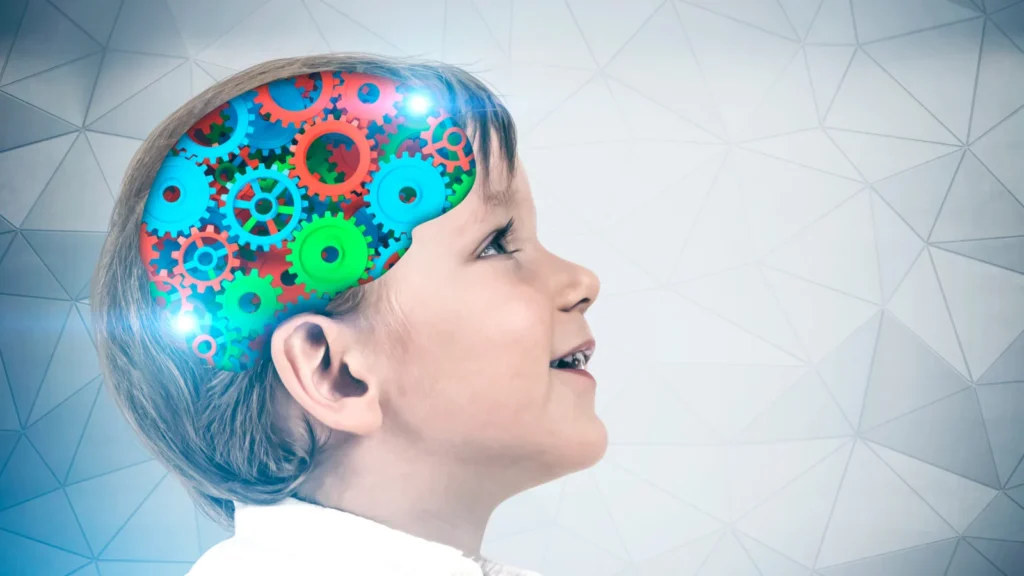
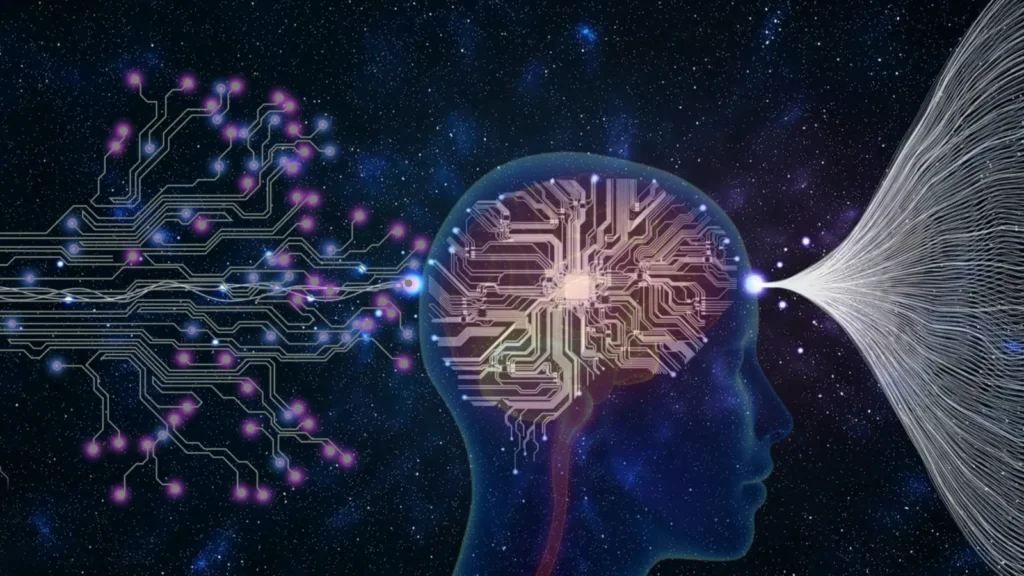
Just like we need a medium such as mobile phones and social media to communicate with one another, our brain uses electrical signals to do so. These help the brain to process information, as well as organize input. Every time the brain starts an activity or completes a task, it generates brainwaves. There are four types- Delta, Theta, Alpha, and Beta.Delta This brainwave is at a very low frequency and occurs when you are sleeping, meditating or generally relaxing. These are essential for you to rest and rejuvenate.Theta These brainwaves are similar to Delta and occur when you are sleeping and dreaming. The human body usually dreams in a 90-minute cycle and when the dreams become more energetic and focused, your brainwaves switch from resting Delta to more active Theta.AAlpha brainwaves These brainwaves occur when you are awake, alert but still engaged in restful activities such as reading, praying, etc.Beta brainwaves These brainwaves are present during the hours when we are awake and doing work that is high in energy and focus. This includes your office work, house chores, and others.When these brainwaves are imbalanced, it could lead to anxiety, depression, sleep issues, etc.
When you are sleeping, your brain should be producing the delta and theta brainwaves, as explained above. But in some people, the alpha and beta brainwaves are more dominant. This is why people experience sleep issues and an overactive brain at a time when they should be completely relaxed.Likewise, when you are going about your daily work, your brain should be in the beta zone. However here, the delta and theta brainwaves are more prominent. An excess of these results in depression. This is why people with depression feel low, fatigued, and have difficulty going about the day.How brain mapping and Neurofeedback plays a role in restoring your mental health
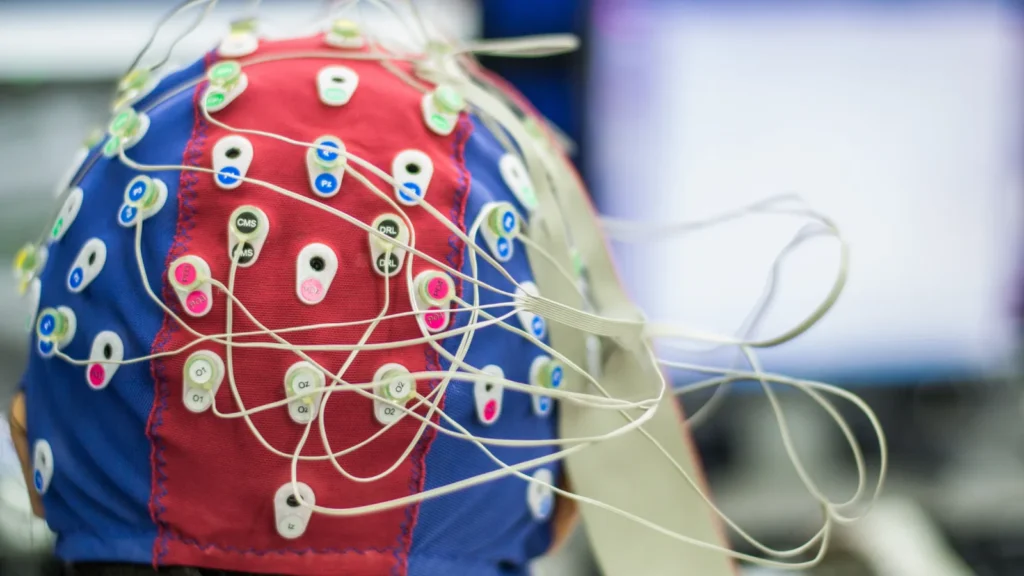
At Brain & Co., we conduct a thorough QUEEG brain mapping session for our clients. This is a process in which through brain scanning, we get a detailed look at the person’s brainwaves. This technology is different from the usual brain scans that take place in hospitals. While they are used to detect tumors and brain injuries, brain mapping is specifically used to measure the brainwaves aka electrical activity in the brain. Depending on the scans, our practitioners gain data on the kind of frequencies that the brain needs in order to start functioning normally.The brain is fed these frequencies with the help of Neurofeedback, a research-supported and QEEG-guided brain training technology. This technology restores the imbalance in the brainwaves, which may help reduce symptoms of anxiety, depression and other conditions. Neurofeedback differs from medication because it is non-invasive in nature.Where in medication, a person has to experience side-effects such as a foggy brain, indigestion, shakiness, drowsiness, etc., that sometimes can be severe in nature, there are no such outcomes in Neurofeedback. At most, you may feel slightly wired up/tired or have a very mild headache. However, it would last for a very short span of time.So if you are looking for a safe, non-invasive, drug-free approach, Neurofeedback is worth exploring. To learn more about how this technology works, visit here. To book a consultation, call on +91 98608 11555.Brain & Co. · Nashik & Mumbai
Talk to us about ADHD
Every programme starts with a conversation and a QEEG brain map, so the plan is built from your own data. Leave your number and we will call you back within one working day.
- Non-invasive, no medication involved
- Centres in Nashik (Sharanpur Road) and Mumbai (Lower Parel)
- More about ADHD at Brain & Co. →