
Is Neurofeedback Safe?
It is non-invasive and nothing is put into the brain. There are a few situations where caution genuinely matters, and they are worth knowing before you start.
In short
- Sensors read activity — they do not send anything into the brain
- Safe for most children from around age six
- Tell us about any seizure history, head injury or current medication
- An undiagnosed problem should be assessed before any training begins
This is the question we are asked most often, and almost always by a parent.
The short answer is that neurofeedback is non-invasive and nothing is put into the brain. The longer answer involves a few situations where caution matters, and those are worth knowing before you start rather than after.
What actually happens in a session
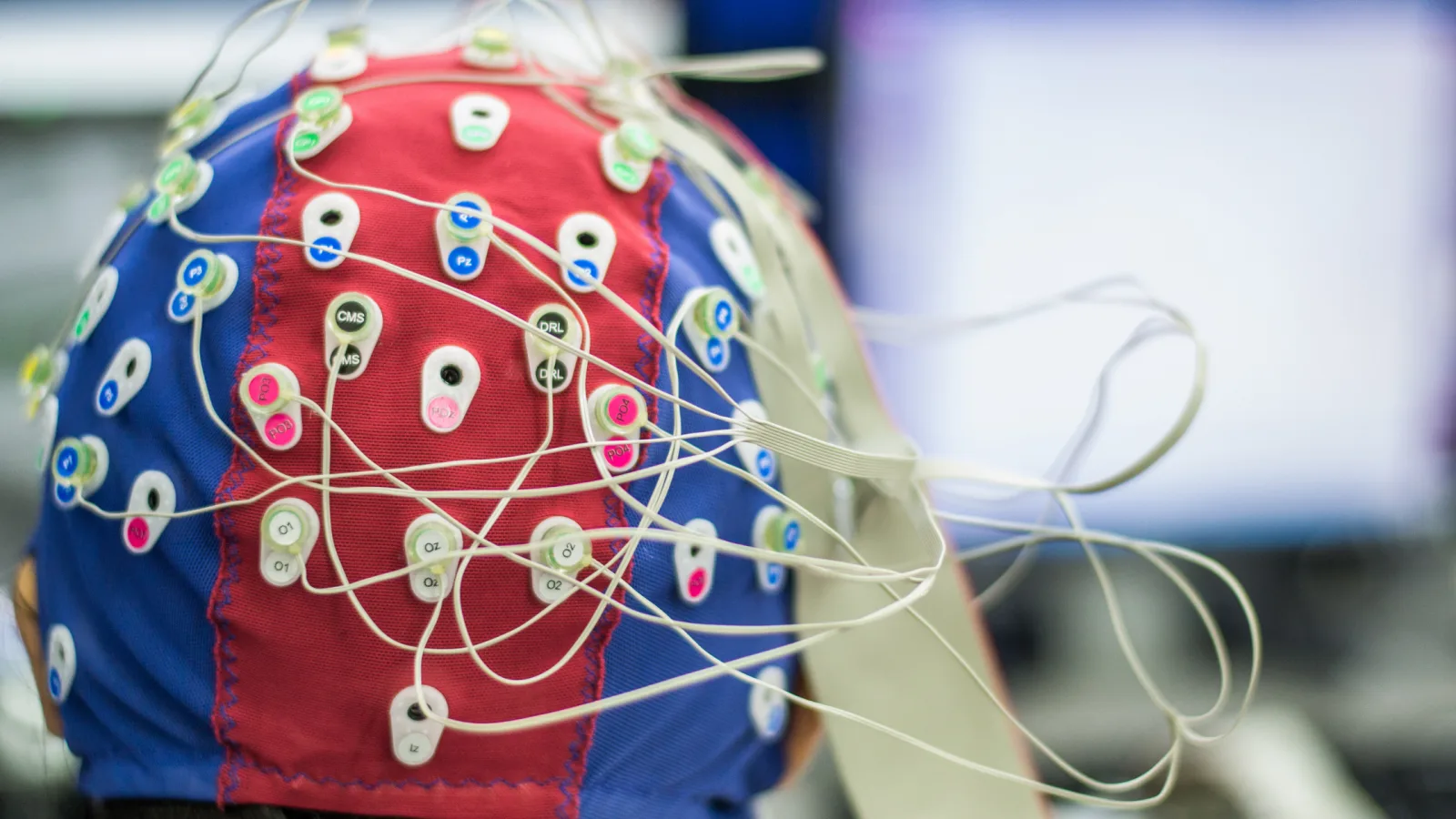
Small sensors are placed on the scalp with conductive paste. They read electrical activity, the same way an ECG reads the heart. They do not send anything in.
That distinction matters, because neurofeedback is often confused with brain stimulation treatments like TMS or tDCS, which do deliver energy to the brain and carry a different risk profile. Neurofeedback is a listening device attached to a feedback loop. Your brain does the work.
The child or adult sits in front of a screen. When the brain produces the pattern being trained for, the film keeps playing or the game keeps moving. When it does not, the feedback dims. Over repeated sessions the brain learns to find that state more easily.
Nothing hurts. There are no needles, no current, and no medication.
Is it safe for children?
For most children, yes. Sessions are short, the equipment is passive, and the main practical challenge is attention span rather than safety.
Two things parents usually want to know:
Will my child sit still for it? Most children from about six years old manage well, because the feedback is delivered through films or games. Younger children may need shorter sessions. A child who cannot tolerate having sensors placed is not a good candidate, and we would tell you that at the assessment rather than take your money.
Could it make behaviour worse? Some people experience temporary tiredness or irritability after early sessions, usually settling within a few hours. This is discussed in more detail on our side effects page. Persistent worsening is uncommon, and if it happens the protocol should be reviewed rather than pushed through.
Where caution is genuinely needed
Tell us, and tell your doctor, if any of the following apply. None of them is automatically a reason not to train, but all of them change how we approach it.
Epilepsy or a seizure history. Neurofeedback has been researched in epilepsy, and some protocols are used specifically in that context. It still needs to be coordinated with the neurologist managing care, not undertaken independently.
Current psychiatric medication. Neurofeedback does not interact with medication chemically. What can happen is that as regulation changes, the dose that suited you before may no longer suit you. Any adjustment is a decision for your prescribing doctor, never for us and never for you alone. Do not stop or change medication because you have started training.
A recent head injury. Worth assessing properly first, because symptoms after concussion need medical review in their own right.
An undiagnosed problem. This is the most important one. If nobody has properly assessed why a child cannot focus or why an adult cannot sleep, that assessment comes first. Neurofeedback should never be the thing that delays a diagnosis.
What we do before training anyone
Every client starts with a QEEG brain map. Beyond building the protocol, it is a screening step. If the recording shows something that needs medical attention, the right response is a referral, not a training package.
We also take a history covering medication, seizures, head injuries and current care. If you are already under a doctor for the problem you are coming to us about, we would rather work alongside that than around it.
What neurofeedback is not
It is not a treatment for a diagnosed medical or psychiatric condition, and it is not a replacement for care you are already receiving. It is training that supports self-regulation. For some people that produces a meaningful change in focus, sleep or stress levels. For others it produces less.
If you are in crisis, or your child is, neurofeedback is not the right first step. Speak to a doctor. Free confidential support is available in India 24 hours a day through Tele-MANAS on 14416 or 1800-891-4416, in English and 20 Indian languages.
Questions to ask us
- What did my QEEG show, and how does it shape my protocol?
- What should I expect to feel after the first few sessions?
- What would make you stop or change the approach?
- Who is running my sessions, and what are they trained in?
You should get straight answers to all four. If a clinic is vague about any of them, that tells you something.
Read next
Questions before you commit?
Bring them to the first consultation. It is free, and includes a full history covering medication, sleep and any seizure risk.
Nothing here is medical advice. Decisions about diagnosis and medication belong with the doctor managing your care.